How Smart Homes Use IoT Devices
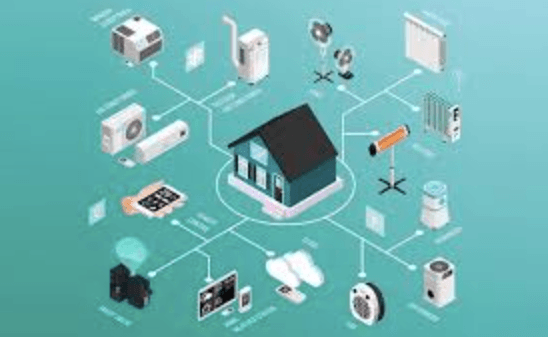
Smart homes rely on a coordinated mix of IoT devices to sense, decide, and act. Sensors monitor occupancy, temperature, and energy use; controllers and hubs coordinate commands across brands. Protocols and interoperable standards enable data exchange with minimal friction, while edge processing protects privacy and speeds responses. Real-world automations tune lighting, climate, and efficiency based on user patterns. The framework is evolving toward scalable governance and cost-conscious deployment, inviting further examination of implementation trade-offs and future improvements.
What IoT Devices Make a Smart Home Possible
Smart homes rely on a core set of IoT devices that enable interconnected sensing, control, and automation. The landscape centers on sensor networks that collect environmental data and user presence, powering adaptive routines. Voice assistants translate intent into actions, while hubs coordinate devices for centralized management. This configuration supports freedom through automation, scalability, and continuous optimization of daily living environments.
How Devices Communicate: Protocols, Hubs, and Interoperability
Communication in smart homes hinges on how devices exchange data and commands across protocols, hubs, and interoperability standards.
The analysis focuses on protocol interoperability, where standardized messages enable cross-brand exchanges, and on hub architectures, which define central coordination, security, and latency.
Trends emphasize lightweight stacks, edge processing, and robust governance to sustain scalable, user-centric automation without sacrificing privacy or control.
Real-World Use Cases: Automations That Save Time and Energy
Real-world automations in smart homes demonstrate measurable gains in time savings and energy efficiency by translating sensor data and user preferences into proactive actions. This analysis highlights automation energy benefits, where routines optimize climate, lighting, and appliance use without manual input.
Trends emphasize safety margins, predictive maintenance, and daylight-responsive adjustments, delivering freedom through reliable, purpose-built routines that reduce waste and support efficient daily living.
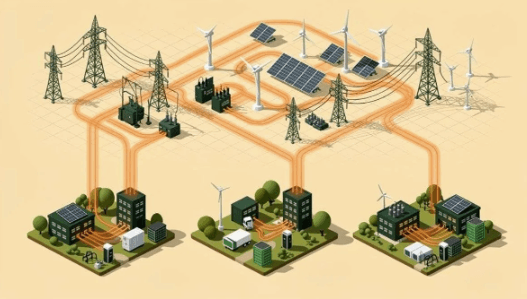
See also: How Smart Grids Improve Energy Efficiency
Getting Started: Step-by-Step Setup, Security, and Budgeting
To begin building an efficient smart-home ecosystem, practitioners outline a disciplined, phased approach: define goals and requirements, select a compatible core platform, and map hardware, software, and network needs before deployment.
The process emphasizes budgeting basics and security safeguards, detailing step-by-step setup, risk-aware configuration, and ongoing monitoring.
This objective framework supports freedom-loving users who prefer transparent, scalable, cost-conscious deployments.
Frequently Asked Questions
How Do I Protect My Smart Home From Hackers?
The analysis asserts that protecting a smart home hinges on data privacy and secure authentication, with consistent firmware updates, network segmentation, strong unique passwords, multi-factor methods, and monitoring for unusual activity to sustain user autonomy and control.
Can Smart Devices Work Without Internet Access?
Can smart devices work without internet access? Yes, some offer offline usability with local control, though limited functionality remains. From an analytic perspective, offline use highlights privacy concerns and freedom via edge processing and device autonomy, reducing external data exposure.
Are Iot Devices Energy-Efficient in the Long Term?
Inevitably, IoT devices demonstrate energy efficiency and rising reliability; analysts observe lower long-term energy costs with prudent power management, highlighting energy budgeting and device longevity as central metrics shaping sustainable, freedom-focused, trend-aware adoption.
What Data Do Smart Devices Collect and Share?
Smart devices collect diverse data types including usage patterns, sensor readings, and location, enabling services and personalization; data collection varies by device. Privacy implications arise from potential data sharing with manufacturers, apps, and third parties, prompting transparency and user control considerations.
How Do I Recover After a Device Failure?
Recovery after a device failure requires robust recovery strategies and fault tolerance. The system analyzes redundancies, isolates faults, and restores operations promptly, while monitoring trends to prevent recurrence, enabling an autonomous, freedom-oriented balance between resilience and continuous innovation.
Conclusion
Smart homes hinge on a constellation of IoT devices that sense, decide, and act with minimal human input. Analyzing recent trends shows that edge processing reduces latency by up to 50% and enhances privacy by processing data locally. Interoperability remains the gating factor for scalable ecosystems, while standardized protocols enable smoother cross-brand control. As devices proliferate, users increasingly prioritize energy efficiency and proactive automation, making secure, budget-conscious setups essential for sustainable, future-ready living environments.