How Smart Grids Improve Energy Efficiency
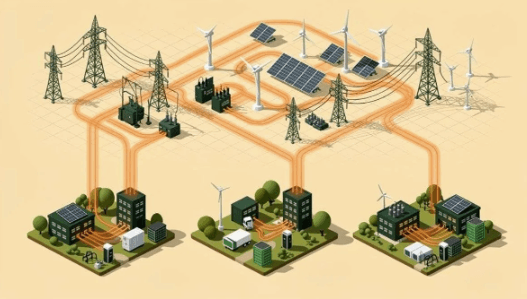
Smart grids improve energy efficiency by integrating real-time data, adaptive dispatch, and distributed resources to match supply with demand. Real-time sensing reveals nuanced consumption patterns, enabling targeted demand shaping and accurate forecasting. Distributed assets, including solar, storage, and demand response, add flexibility and resilience. Implementations hinge on clear metrics, interoperable standards, and governance. The potential gains are measurable but hinge on policy choices and investment—a threshold yet to be fully crossed.
What Makes Smart Grids More Energy Efficient
Smart grids improve energy efficiency by enabling dynamic, real-time coordination among generation, transmission, and consumption. The analysis highlights how adaptive demand management, distributed generation, and optimized dispatch reduce losses and curtailment. Renewable integration and grid resilience emerge as core metrics, linking policy goals to measurable outcomes. Data-driven governance enables transparent target setting, cost-benefit justification, and scalable, freedom-oriented reliability enhancements.
Real-Time Data: Sensing Demand and Shaping Use
Real-time data streams enable granular visibility into instantaneous consumption patterns, enabling grid operators to detect demand shifts, forecast short-term needs, and adjust resource allocation accordingly.
This approach supports policy-informed decisions, emphasizing sensing demand and shaping use through precise analytics.
Real time data guides integration of distributed resources, including solar and storage, while maintaining reliability, affordability, and consumer freedom.
Distributed Resources: Solar, Storage, and Flexibility
The analysis emphasizes scalable integration, cost-effectiveness, and reliability, with solar forecasting guiding resource planning and operation.
Policy-makers should incentivize storage deplyment and demand response to enhance resilience, reduce emissions, and empower consumers seeking energy freedom.
Practical Pathways to Efficiency: Implementation, Metrics, and Case Studies
What practical steps reliably advance efficiency in modern grids, and how can their impact be measured across sectors and timeframes? Implementation pathways rely on interoperable standards, asset optimization, demand response, and analytics-driven maintenance. Metrics span energy losses, peak reductions, and capacity factors. Case studies show scalable results; data governance and cyber security underpin trust, transparency, and resilience, enabling cross-domain coordination and policy alignment for sustained efficiency gains.
Frequently Asked Questions
How Do Smart Grids Handle Cyber Threats and Privacy Concerns?
Smart grids mitigate threats through cyber resilience architectures, layered defenses, and continuous monitoring; privacy safeguards restrict data collection and enforce minimization, encryption, and access controls. Analysts weigh risk, costs, and outcomes to balance security with consumer autonomy.
What Is the Cost-Benefit Timeline for Grid Modernization?
A river of coins illustrates the cost-benefit timeline for grid modernization, where upfront investments gradually yield system reliability, resilience, and efficiency gains. Over decades, cost benefit improves as reliability metrics rise, justifying continued grid modernization investments and policy support.
How Do Consumer Behaviors Influence Grid Efficiency Outcomes?
Consumer engagement significantly influences grid efficiency, as informed households enable demand shaping that smooths peaks and reduces losses; data-driven policies should reward participation, monitor behavior, and empower consumers to balance reliability with personal energy freedom.
Can Off-Grid or Rural Areas Fully Adopt Smart Grid Tech?
Answering the question: Off-grid areas face substantial barriers; full adoption is unlikely without targeted policy, funding, and scalable rural deployment. Challenges include infrastructure costs, reliability gaps, maintenance, and governance, yet innovative models can expand autonomous grid resilience.
See also: gazettedupmu
What Are the Long-Term Environmental Impacts Beyond Emissions?
Long term environmental impacts include resource extraction and electronic waste concerns, with a lifecycle materials perspective; beyond emissions, impacts span manufacturing, deployment, and end-of-life processing, requiring policy-driven, data-informed stewardship to balance reliability, resilience, and freedom of choice.
Conclusion
Smart grids translate granular data into disciplined, policy-aligned action, narrowing inefficiencies across generation, transmission, and consumption. Real-time sensing and adaptive dispatch reduce peak loads and losses, while distributed resources add resilience and flexibility. A concise anecdote: in a pilot, a 10% shift in demand during a heatwave averted 2,000 MWh of unnecessary generation, akin to rerouting a river rather than damming new culverts. Data-driven governance and interoperable standards thus unlock measurable efficiency gains and transparent optimization.